
Houston's Expansive Black Clay Soil: Why Your Foundation Never Really Stops Moving
Discover why Houston's Beaumont clay causes constant foundation movement. Learn the science behind soil expansion, seasonal effects, and protection tips.
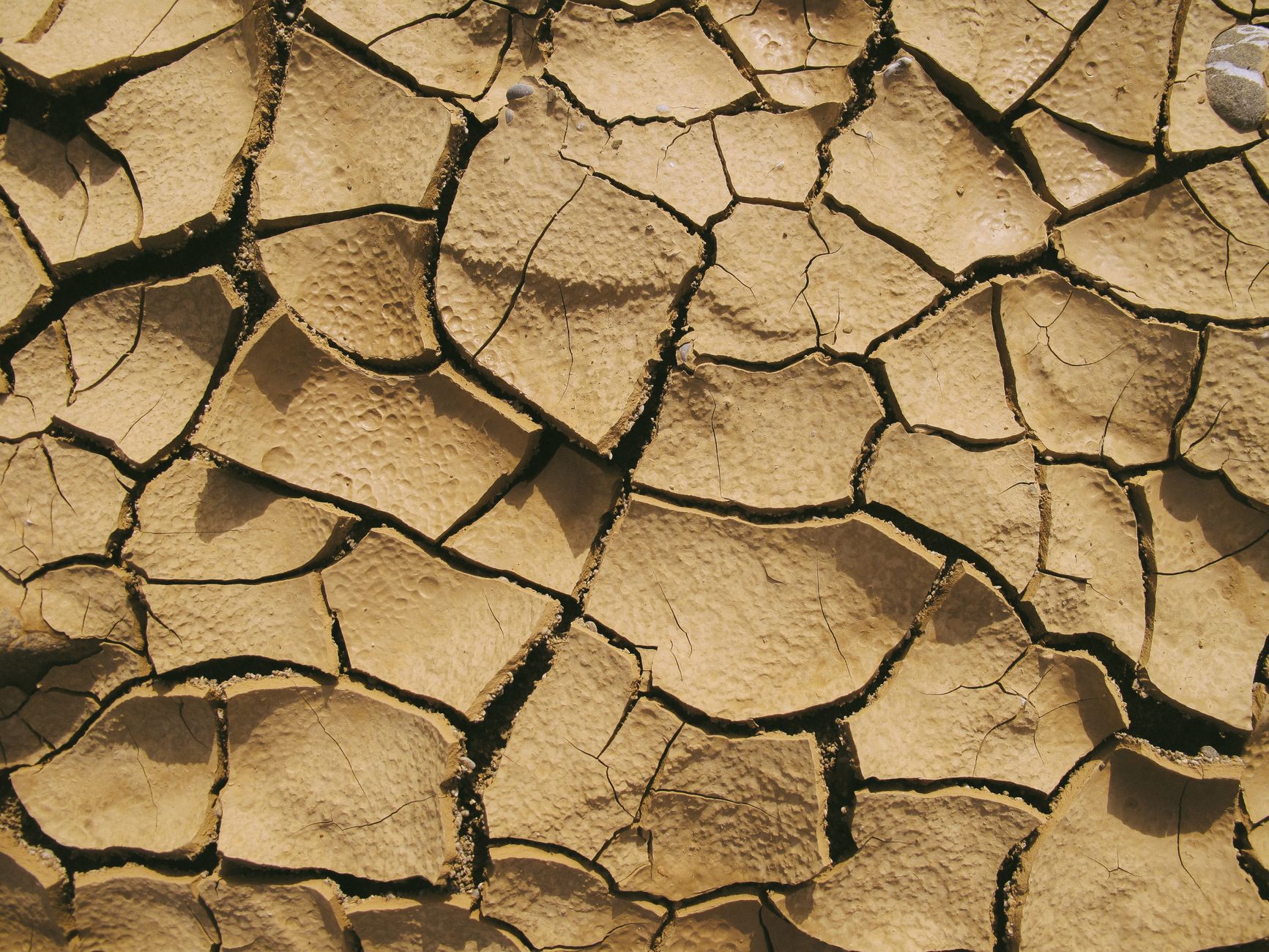
The ground under Houston never sits still
Much of the Houston area sits on expansive clay — soil that behaves almost like a sponge. It absorbs water and swells in wet weather, then releases it and shrinks in dry spells. That constant swell-and-shrink cycle is the single biggest driver of foundation movement here.
Why the seasons matter so much
After heavy rain, clay expands and can lift parts of your foundation. In a hot, dry summer, the same clay contracts and pulls support away. Because moisture is never uniform around a house — shade, gutters, slabs, and big trees all change it — the movement is uneven, and uneven movement is what cracks foundations.
The role of trees and drainage
Large trees pull enormous amounts of moisture from the soil near their roots, drying and shrinking it. Downspouts that dump water right next to the slab do the opposite. Managing where water goes — and where it's pulled from — is one of the most effective things a homeowner can do.
Why the movement 'never really stops'
Because the clay responds to every wet and dry season, a Houston foundation is always adjusting. The goal isn't to stop the soil from moving — it's to keep your foundation stable in spite of it, through good drainage, consistent moisture, and repairs that account for the soil instead of ignoring it.
What you can do about it
Keep the moisture around your foundation as even as you can: water during droughts, drain well during storms, and keep large trees a healthy distance from the house. And if you're already seeing cracks or movement, an inspection will tell you whether it's normal seasonal shift or something that needs stabilizing.
Worried about what you're seeing?
Get a free, no-obligation inspection — usually same week.

We value your privacy
We use strictly necessary cookies to run this site and, with your consent, optional cookies to remember your preferences and improve your experience. You can change your choice anytime. See our Privacy Policy.