
Under-Slab Plumbing Leaks: The Silent Foundation Killer Houston Homeowners Miss
A slow plumbing leak beneath your slab can erode soil and damage your foundation long before you notice it. Learn how to spot the warning signs, what under-slab leaks do to Houston's clay soil, and when it's time to call a specialist.
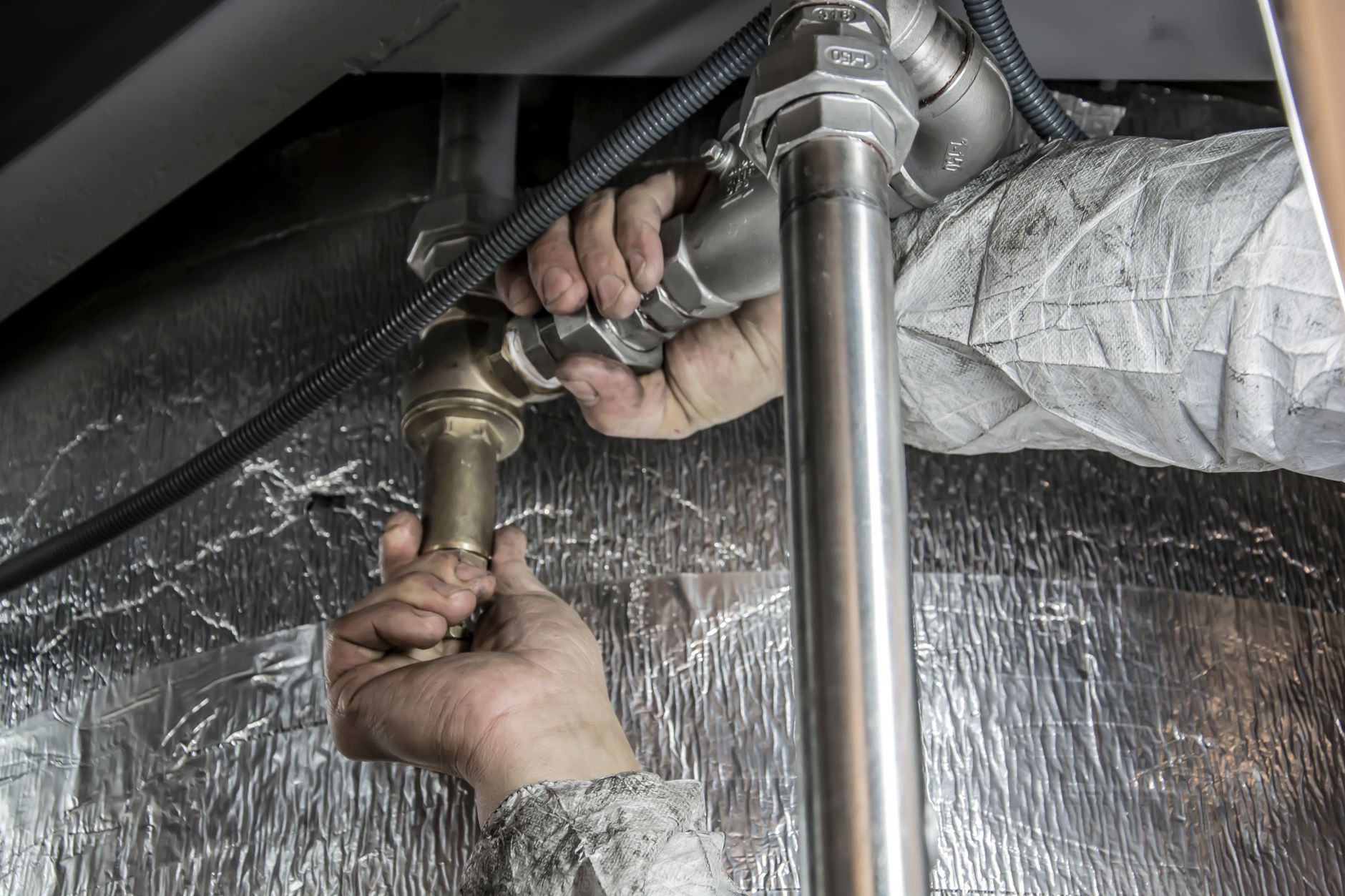
Why under-slab leaks are so easy to miss
Your water and drain lines run through or beneath your concrete slab. When one springs a slow leak, the water has nowhere to go but into the soil under your home — quietly, out of sight, often for months before any sign ever reaches the surface.
What a leak does to Houston's clay soil
Houston sits on expansive clay that swells when wet and shrinks when dry. A steady leak keeps one patch of soil saturated and swollen while the rest of the yard dries out, so the slab is pushed up in one spot and left unsupported in another. That uneven movement is exactly what cracks foundations.
Warning signs worth acting on
Watch for an unexplained jump in your water bill, the sound of running water when everything is off, warm or damp spots on the floor, a persistent musty smell, new cracks in walls or flooring, or a foundation that suddenly starts moving after years of sitting still.
How the source gets found
A leak under a slab can't be fixed until it's located precisely. Specialists use pressure testing and electronic leak detection to pinpoint the line, then reach it through the smallest possible access — often by tunneling under the slab rather than jackhammering through your floors.
Why it pays to move quickly
The leak itself is usually the cheaper problem. The expensive damage is what the moving soil does to the foundation above it. Catching an under-slab leak early is often the difference between a plumbing repair and a plumbing repair plus foundation stabilization. If you suspect one, a professional inspection is the fastest way to know for sure.
Worried about what you're seeing?
Get a free, no-obligation inspection — usually same week.


We value your privacy
We use strictly necessary cookies to run this site and, with your consent, optional cookies to remember your preferences and improve your experience. You can change your choice anytime. See our Privacy Policy.