
Pier and Beam vs. Slab Foundations: A Houston Homeowner's Complete Guide
Not all Houston foundations are built the same way. This guide explains the key differences between pier and beam and concrete slab foundations, how each fails in Houston's soil, and what repair looks like for both — so you know exactly what you're dealing with.
The two ways Houston homes are built
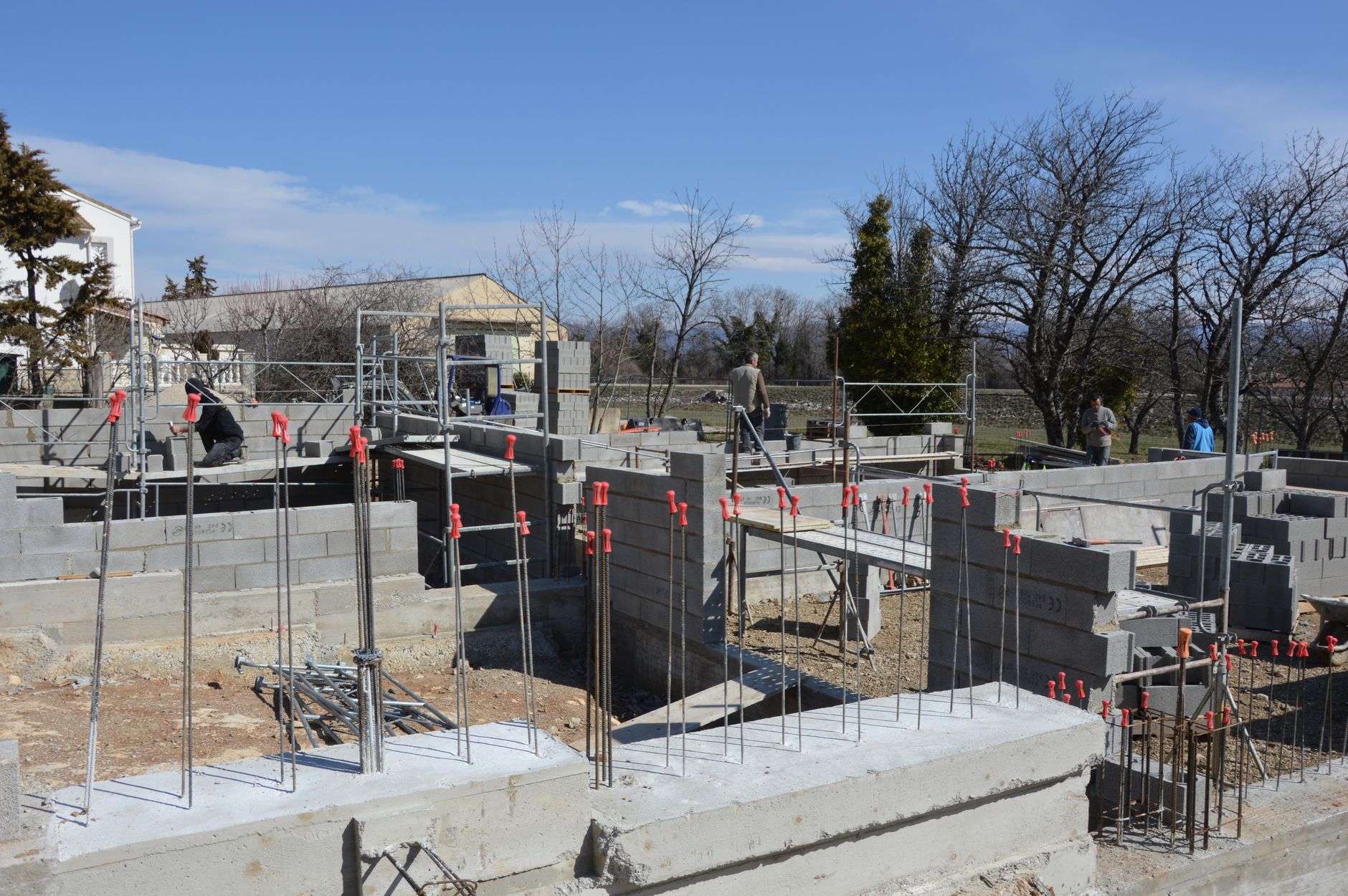
Most homes here sit on one of two foundation types: a concrete slab poured directly on the ground, or a pier-and-beam system that raises the house on supports over a crawl space. Knowing which you have tells you a lot about how your home behaves and what any repair will involve.
How a slab foundation works — and fails
A slab is a single reinforced concrete pad. It's low-maintenance and solid, but because it sits right on the soil, it moves with the soil. When clay swells or shrinks unevenly, the slab flexes, and that shows up as cracks in walls, sticking doors, and sloping floors.
How pier and beam works — and fails
Pier and beam raises the structure on piers and wooden beams, with a crawl space beneath. It flexes more gently and is easier to access for repairs, but the wood can rot, beams can sag, and piers can settle — especially where drainage is poor or moisture collects in the crawl space.
What repair looks like for each
Slab foundations are typically stabilized with steel or concrete piers driven to load-bearing depth, then used to lift and hold the slab. Pier-and-beam repair is more varied: re-shimming, sistering or replacing beams, resetting or adding piers, and fixing the drainage or moisture that caused the movement.
Which is 'better'? The one that's maintained
Neither type is immune to Houston's soil. What matters more is drainage, moisture control, and catching movement early. A free inspection identifies your foundation type and its real condition, so you're making decisions based on your actual structure instead of a guess.
Worried about what you're seeing?
Get a free, no-obligation inspection — usually same week.


We value your privacy
We use strictly necessary cookies to run this site and, with your consent, optional cookies to remember your preferences and improve your experience. You can change your choice anytime. See our Privacy Policy.